At Patagonia Camp, our sustainability policies also guide how we supply energy to the hotel. Through Patagonia Camp Circle, we bring together initiatives that put these commitments into practice. Energy management is one of them, because behind every stay there is a daily operation that requires electricity—from preparing breakfast to lighting the common areas.

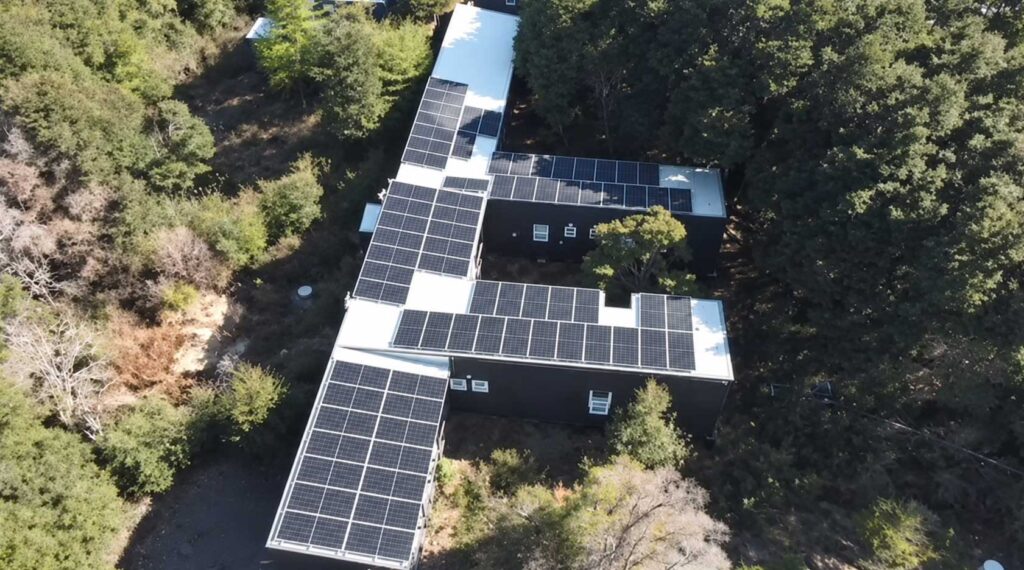
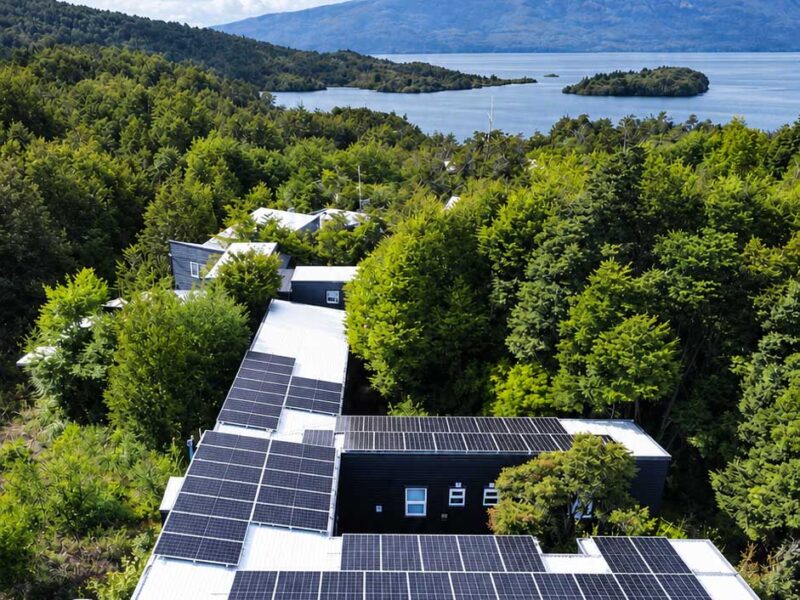
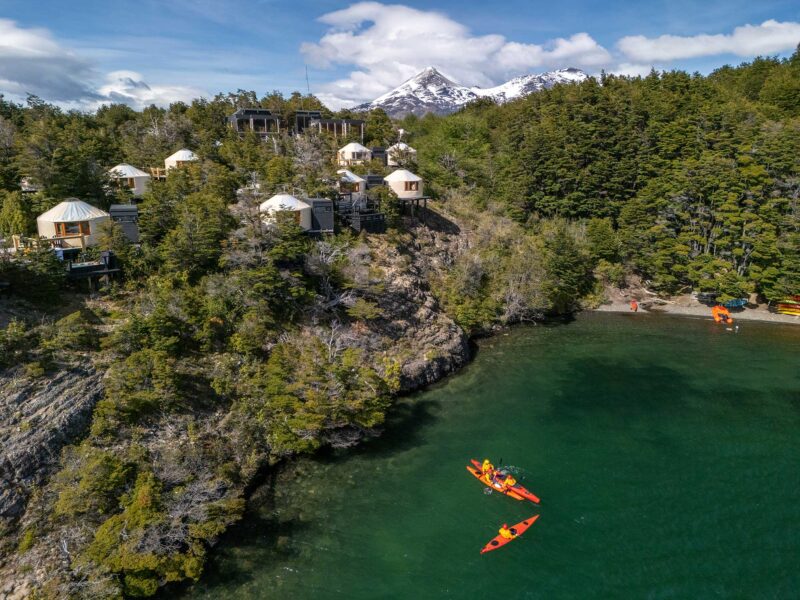
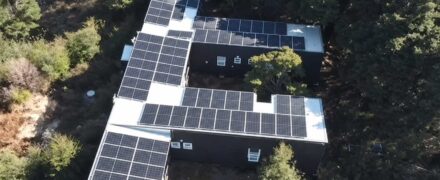
This season, we installed 100 solar panels on the roofs of our facilities, located between the native forest and the lake. This allows us to harness the sunlight of southern Patagonia to generate electricity right where we use it and reduce the amount of time our generators are in operation.

The installation is the first phase of a broader energy project. With it, we aim to incorporate renewable energy into the hotel’s daily operations and reduce our gas consumption by 25% to 30%.

How We Use the Sun’s Energy

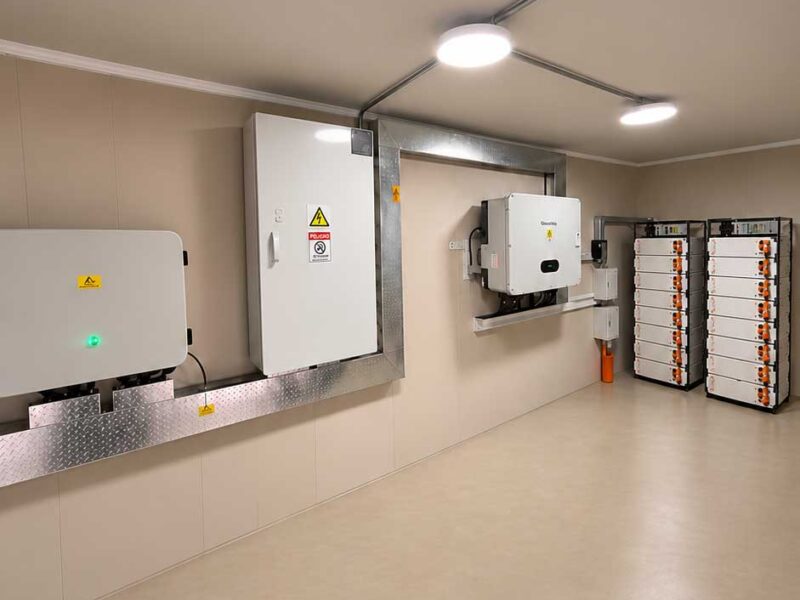
The 100 panels have a total installed capacity of 61 kWp. The system combines 100-kW GoodWe inverters, which convert the electricity generated by the panels for use in the hotel, and a 102-kWh battery bank, which stores energy for later use. The generators remain available as a backup.

When there is enough solar radiation to cover the hotel’s electricity demand, the panels can power operations directly for about three hours without relying on the batteries. When combined with the stored energy, we estimate that the generators could remain off for up to 30% of the day, depending on available sunlight, the battery charge, and the hotel’s energy consumption.

Solar Energy in the Hotel’s Daily Operations

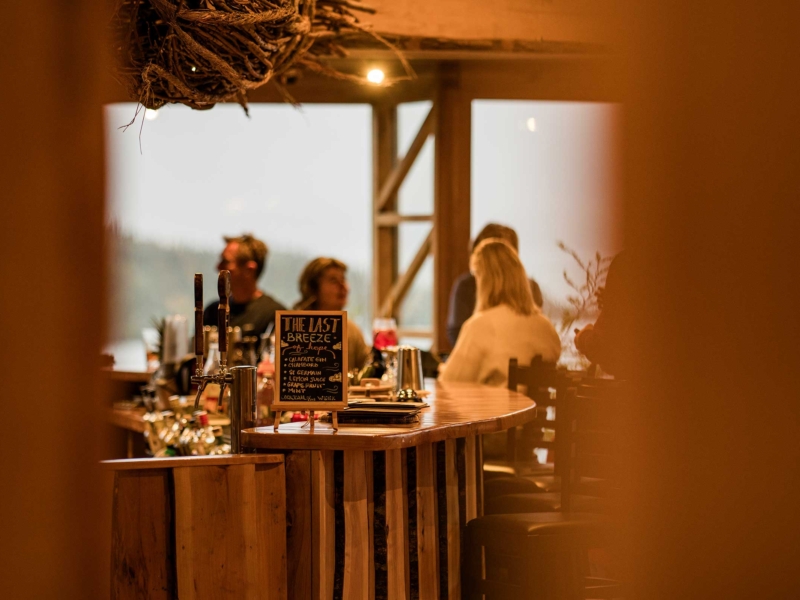
While some guests head out early on an excursion and others stay behind to relax in the lounge overlooking the lake, the hotel continues to operate behind the scenes. The kitchen, lighting, and equipment we use every day require electricity. With the new installation, part of that demand can be met with energy generated right on the roofs of Patagonia Camp.

The amount of power generated by the solar panels varies throughout the day. When there is enough sunlight, the hotel can use the electricity they generate directly. The batteries allow us to use part of that energy later, and the generators are available to step in when needed.

Thus, our sustainability policies translate into a concrete, day-to-day decision: to make the most of the energy we can generate on-site and reduce the time the generators are in operation.

When there is enough solar radiation to cover the hotel’s electricity demand, the panels can power the hotel’s operations directly for about three hours without relying on batteries.

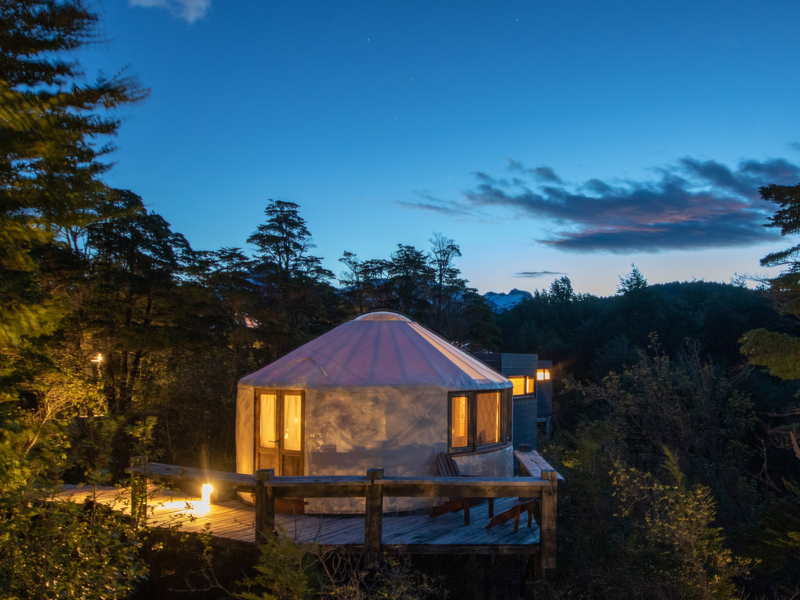
Yurt y bosque

Generating Renewable Energy in Southern Patagonia

In an area with a variable climate like Torres del Paine, sunlight can meet part of the hotel’s electricity needs. Batteries allow us to extend that supply beyond the hours when electricity is generated directly.

As the system operates throughout the different seasons of the year, we’ll be able to measure how much solar energy it contributes and how our gas consumption changes. This data will help us guide the next phases of the project and continue to implement our sustainability policies in the hotel’s day-to-day operations.

Learn about this and other sustainability initiatives at Patagonia Camp Circle.